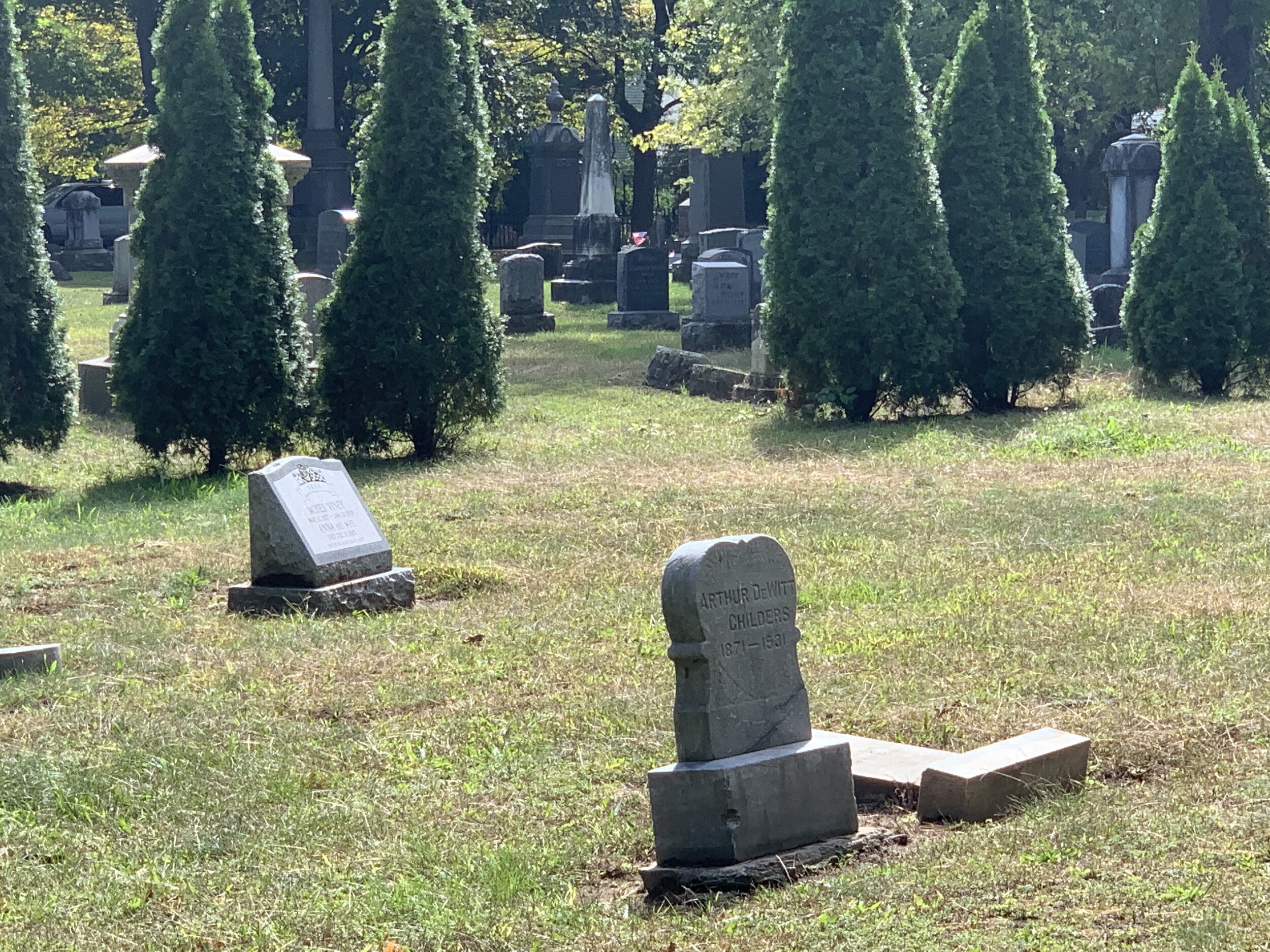
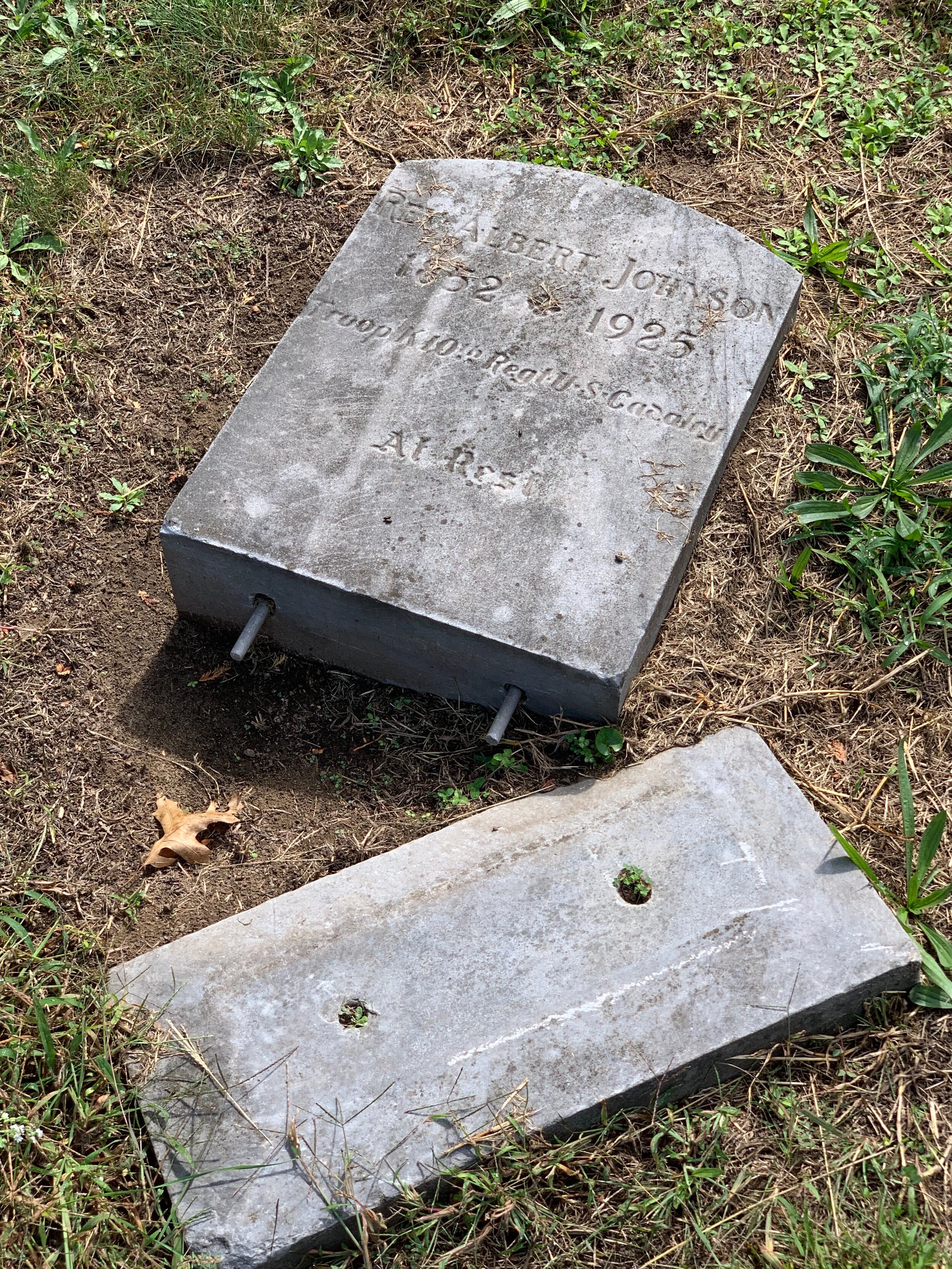
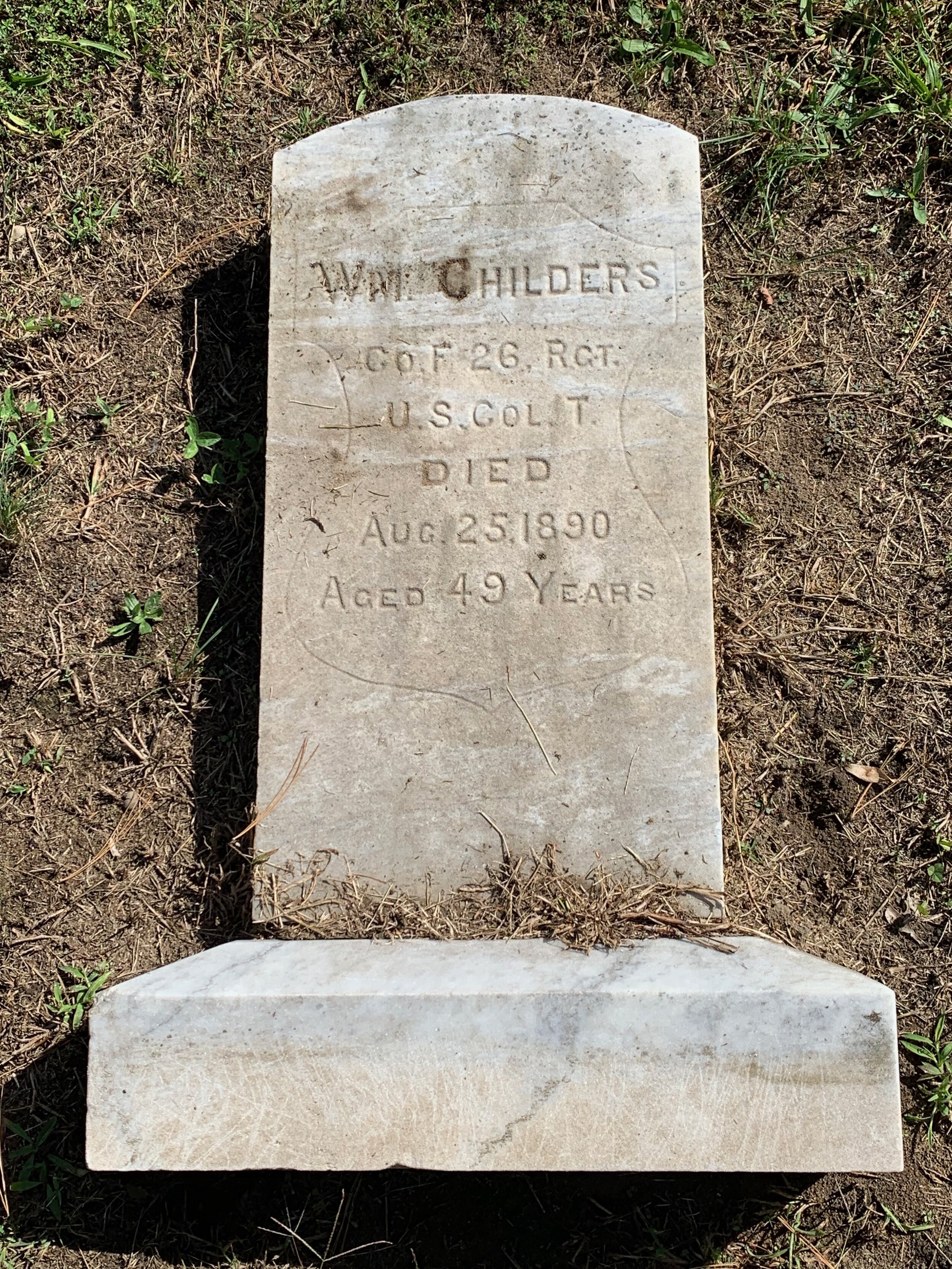
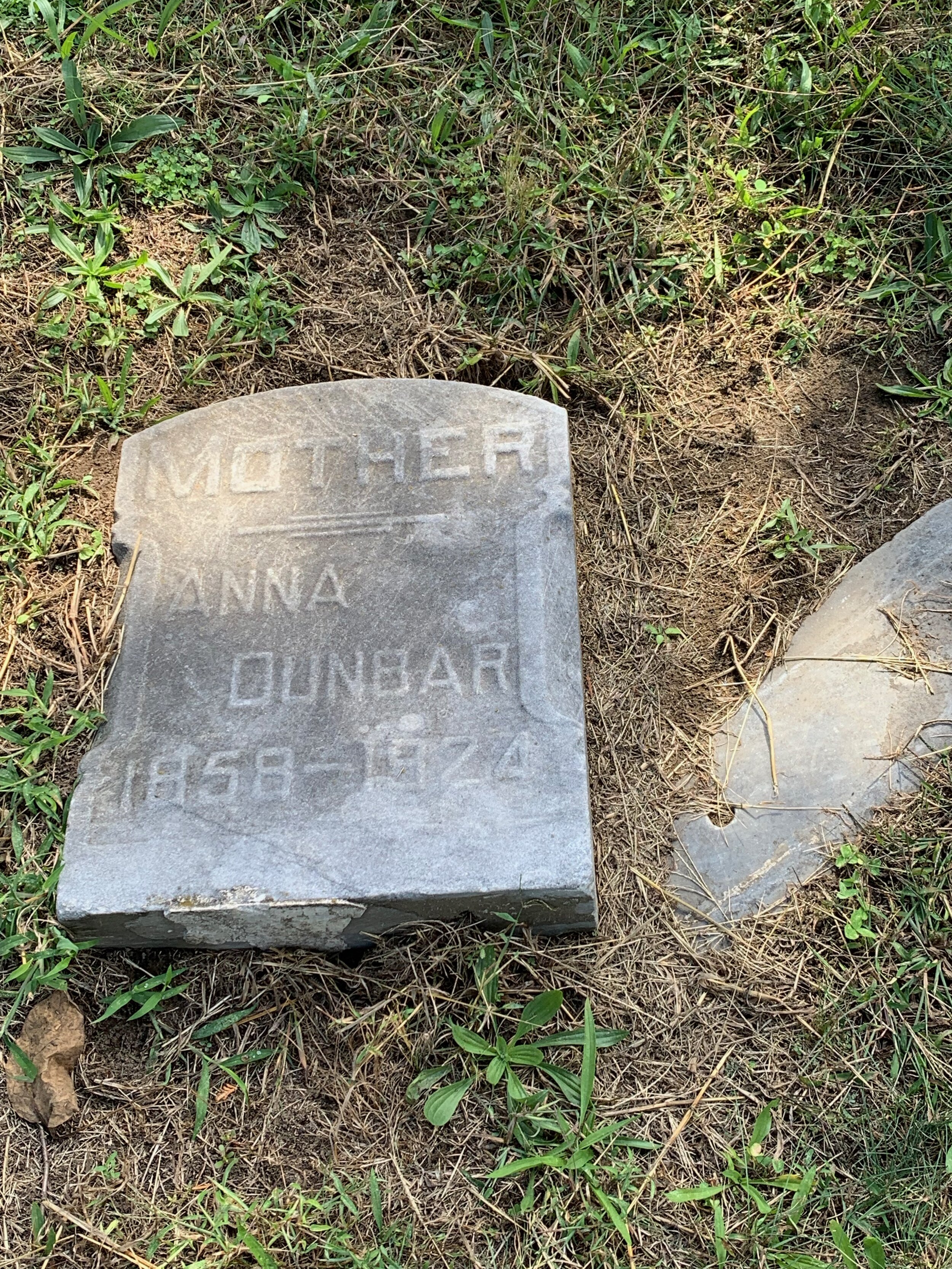
The Providence Commemorative Works Inventory highlights forty-seven public monuments and memorials in Providence, Rhode Island. The primary purpose of the project was to document the commemorative works at each of their locations and to research each monument to discover when it was commissioned and why it was placed in public space. Micah Salkind, the then-deputy director of of the Department of Art, Culture, and Tourism (ACT) with Richard Ring of the Rhode Island Historical Society (RIHS) commissioned me in spring 2025 to research and collect data on each commemorative work. Eric Sung, professor of photography at Providence College, professionally photographed and created a signature image for each commemorative work.
Both the inventory and the photography documentation were part of the larger Providence Commemoration Lab (PCL). Funded by the Mellon Foundation and the American Rescue Plan, the PCL focused primarily on the creation of temporary commemoration projects on public property that wrestled with historical redress and spatial reclamation.
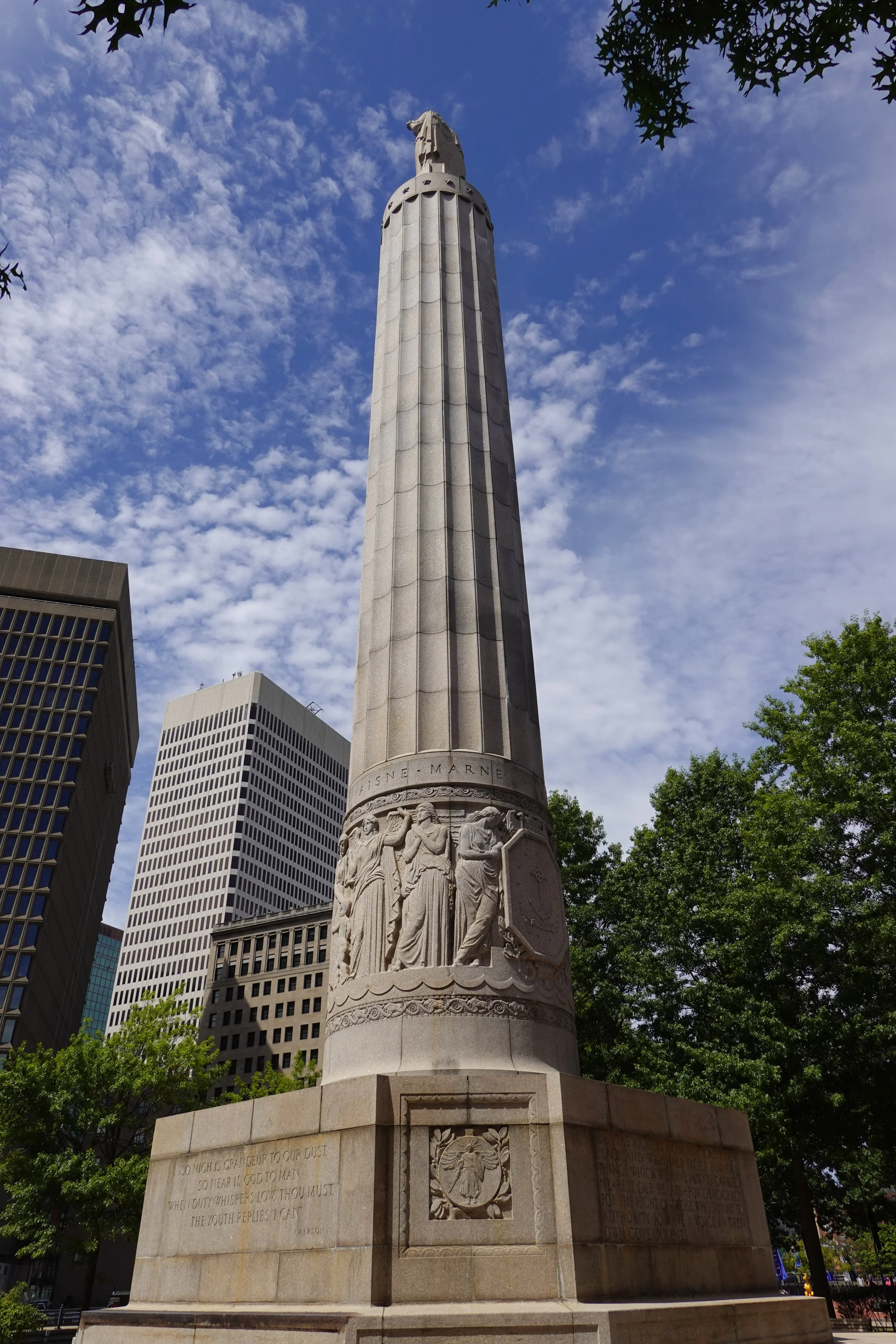
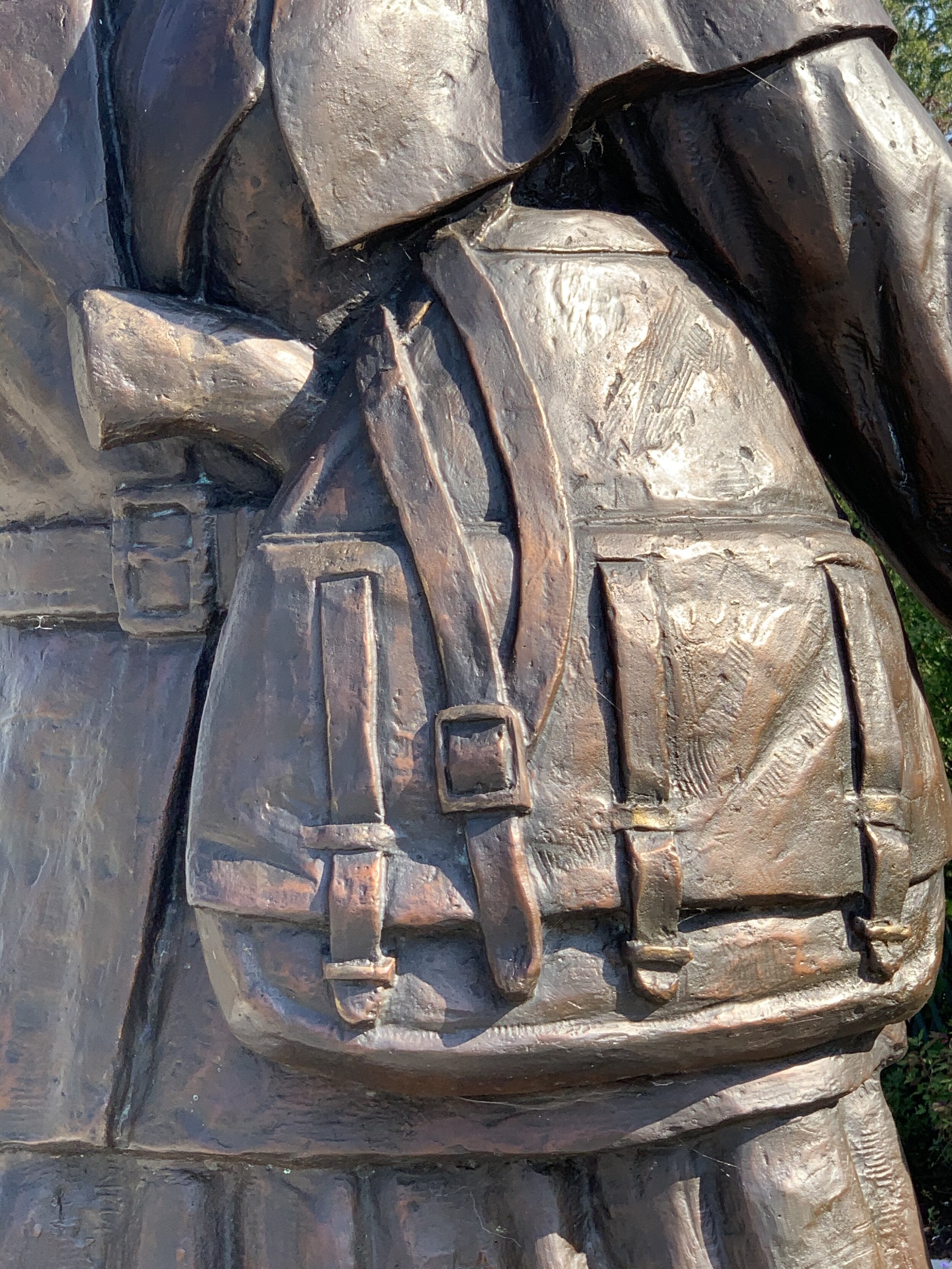
Paul Cret, World War I Monument, 1929. Memorial Park, Providence, Rhode Island. In 1987, this memorial was dismantled, numbered, and stored for ten years during the Providence River Relocation project. It originally stood at Memorial Square, “Suicide Circle”—a roundabout of frequent accidents, before being moved to the newly designed Memorial Park in 1996. Photograph by Renée Ater, August 2025.
The Inventory
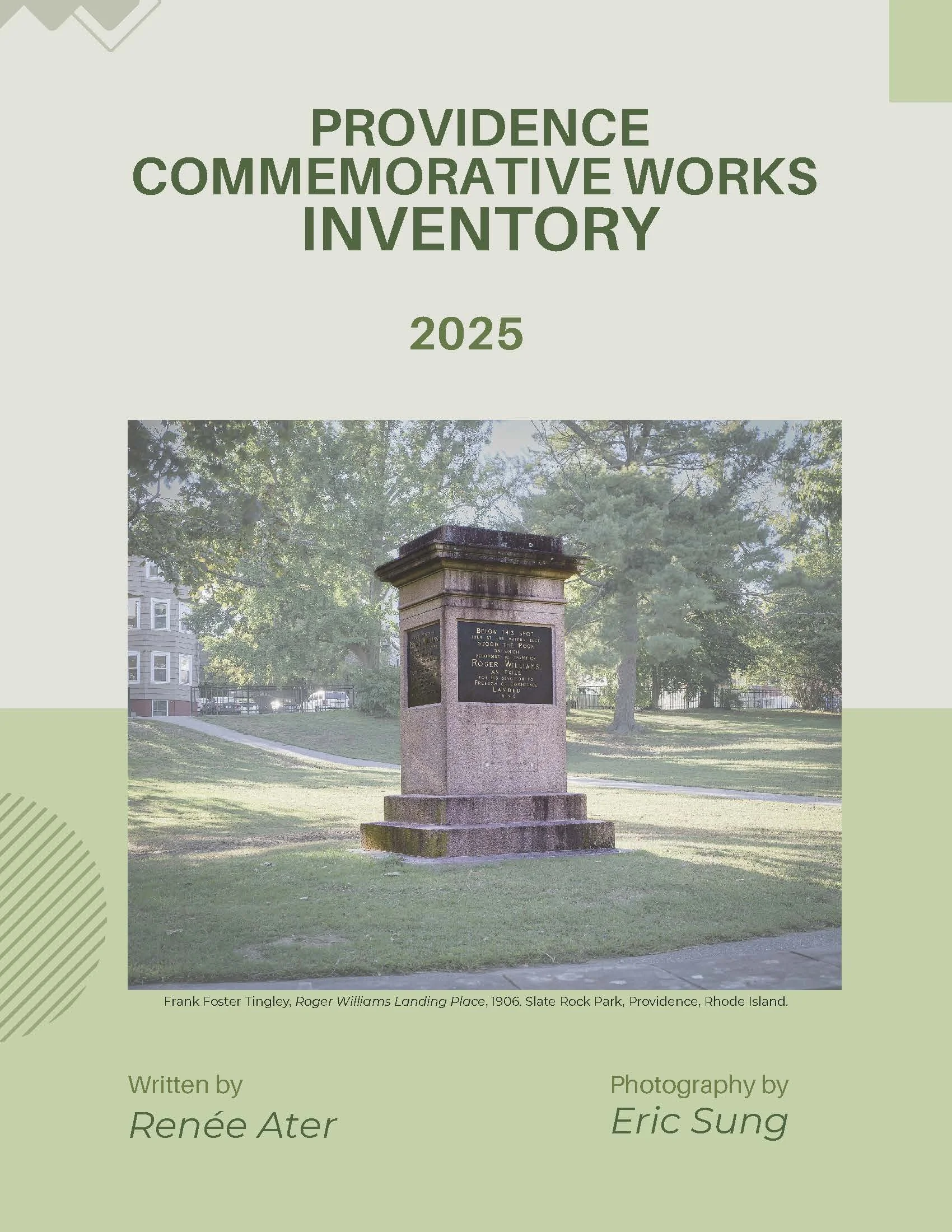
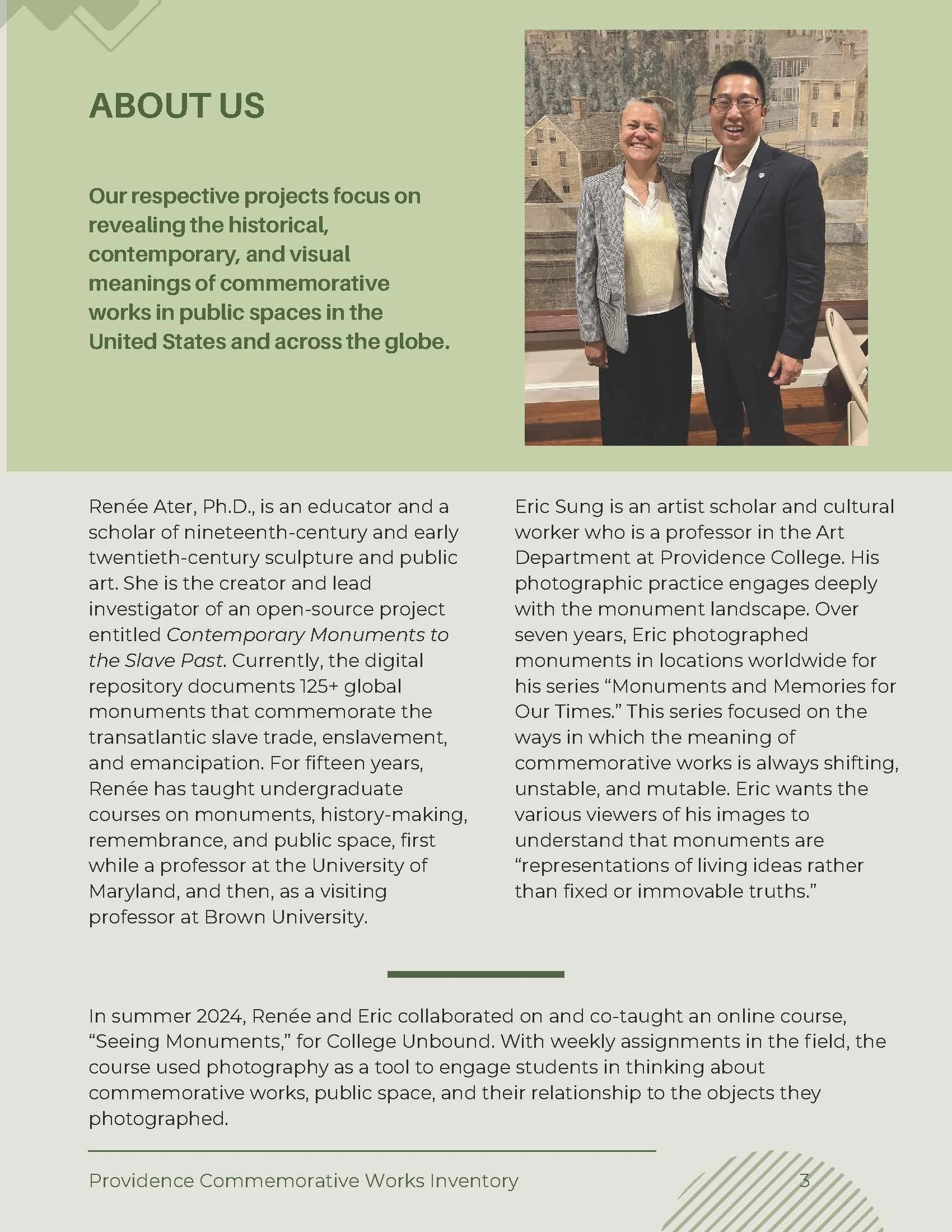
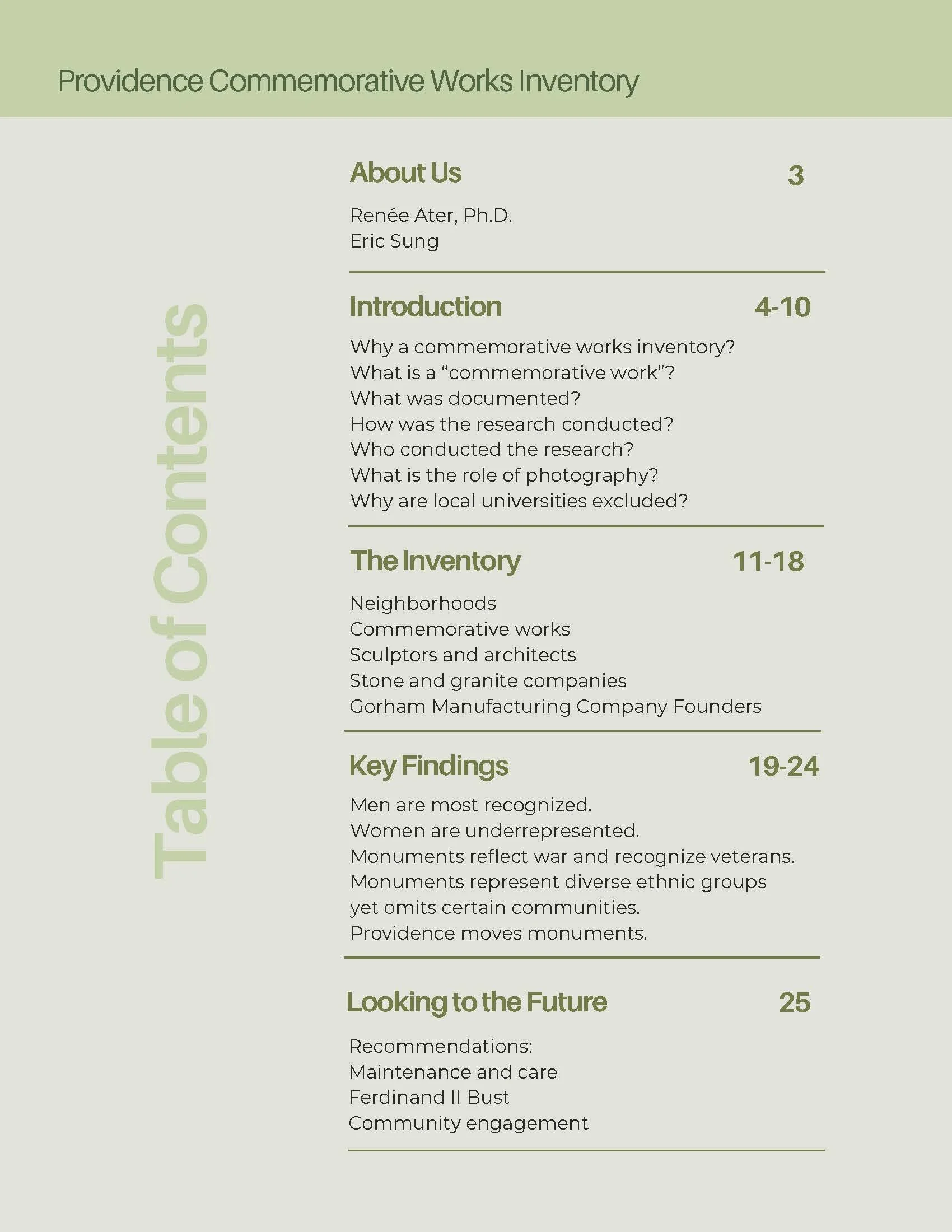
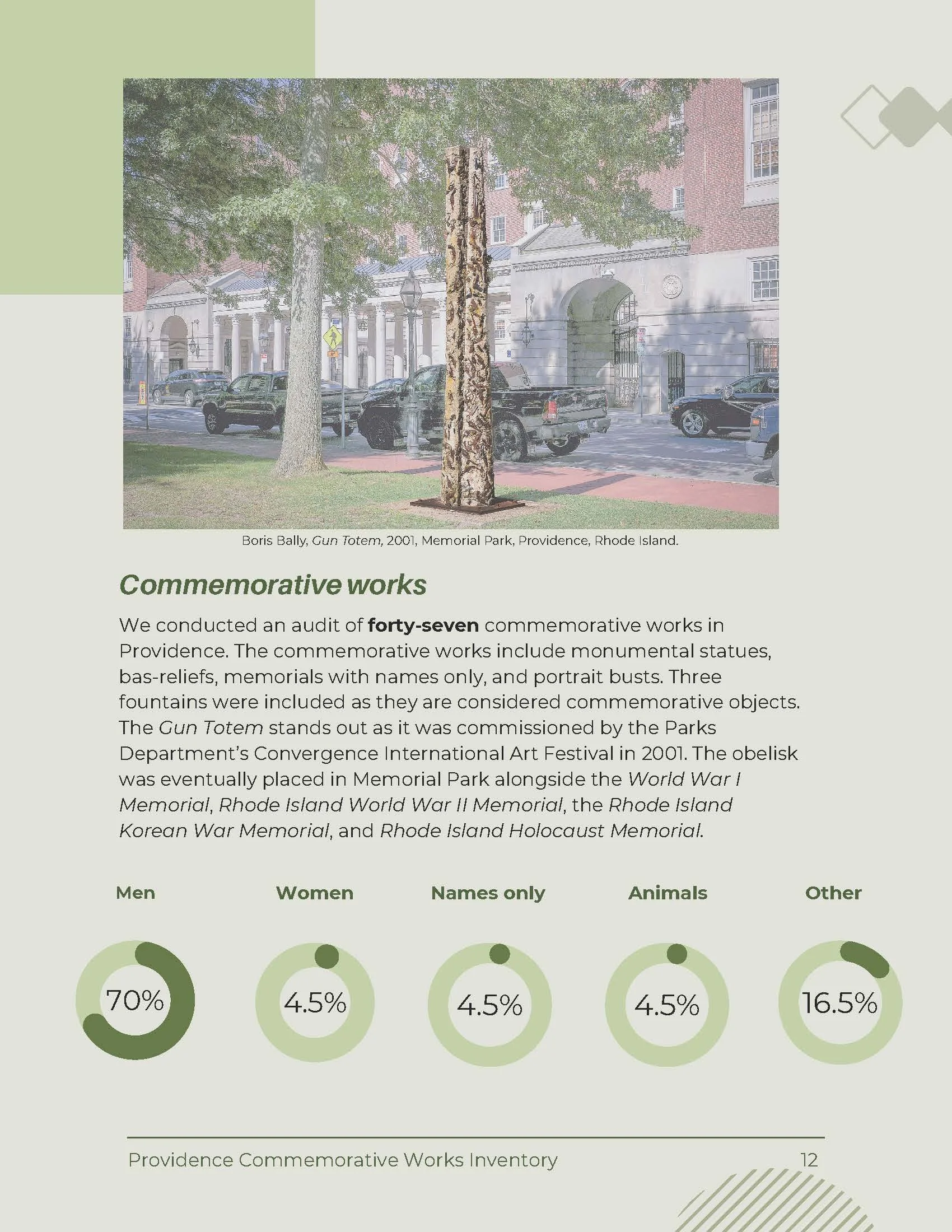
As a project partner with the PCL, I served as the principal investigator for the inventory, conducting the research with the assistance of Nelari Figueroa Torres, a recent Brown graduate who had taken my monuments course. I spent most of the summer of 2025 in the field, exploring the memorials and their sites, and documenting the commemorative works including all inscriptions and explanatory texts. This was a great way to get to know a city and its network of parks, and of course, to look closely at the monument landscape. Eric also spent significant portions of the summer outside photographing the monuments and memorials, and returning to them over time. Due to the short span of the project (June-September 2025), we decided to limit archival research to the online Providence Journal Archives and to a historical digital photo collection at the Providence Public Library. Even with such limitations, we discovered rich coverage of monument and memorial commissions, their elaborate dedication ceremonies, and ongoing commemorative activities. The first twelve pages of the report are included in the carousel below. A full version of the report is downloadable on the ACT website: https://artculturetourism.com/wp-content/uploads/2025/10/providence-commemorative-works-inventory-report-final-2025-11-20.pdf.
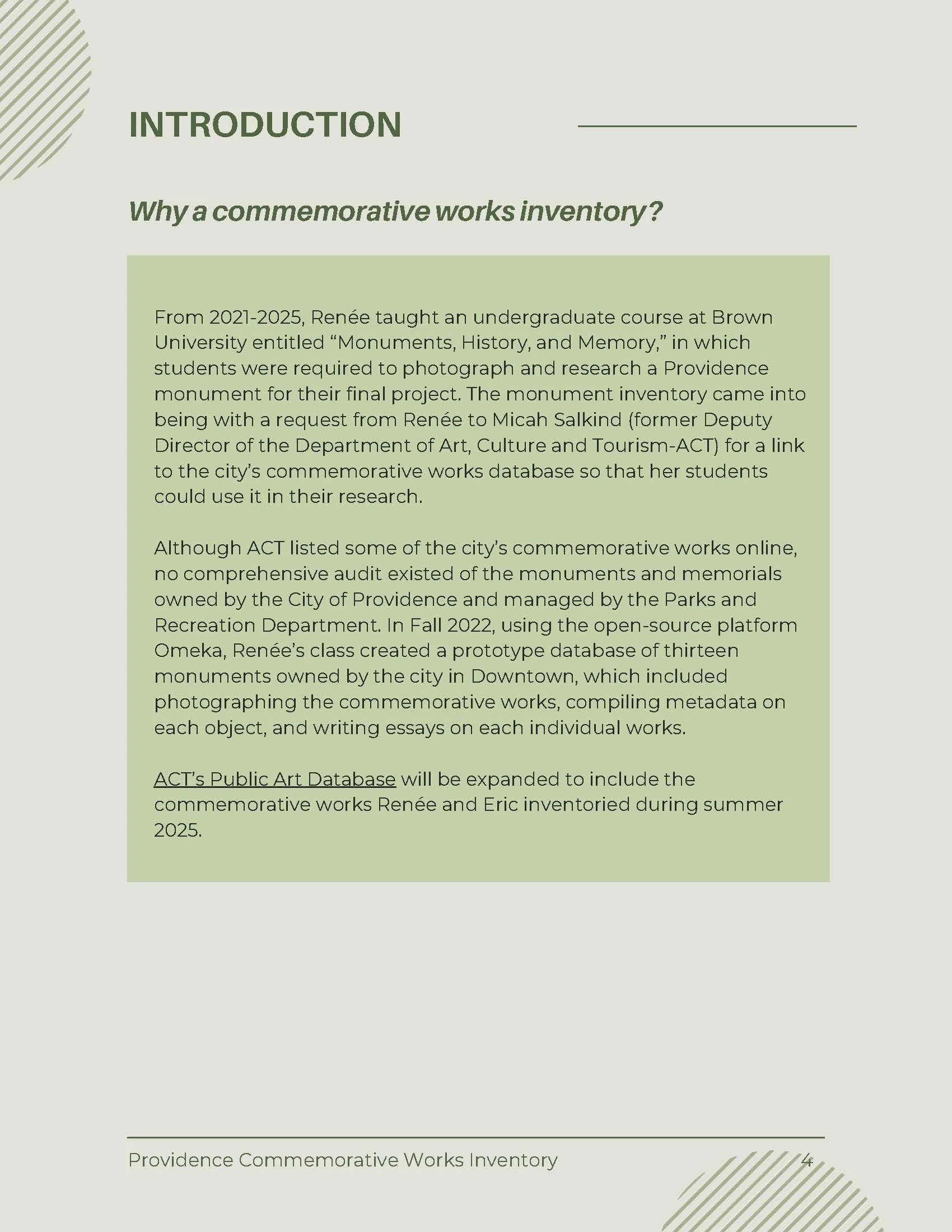
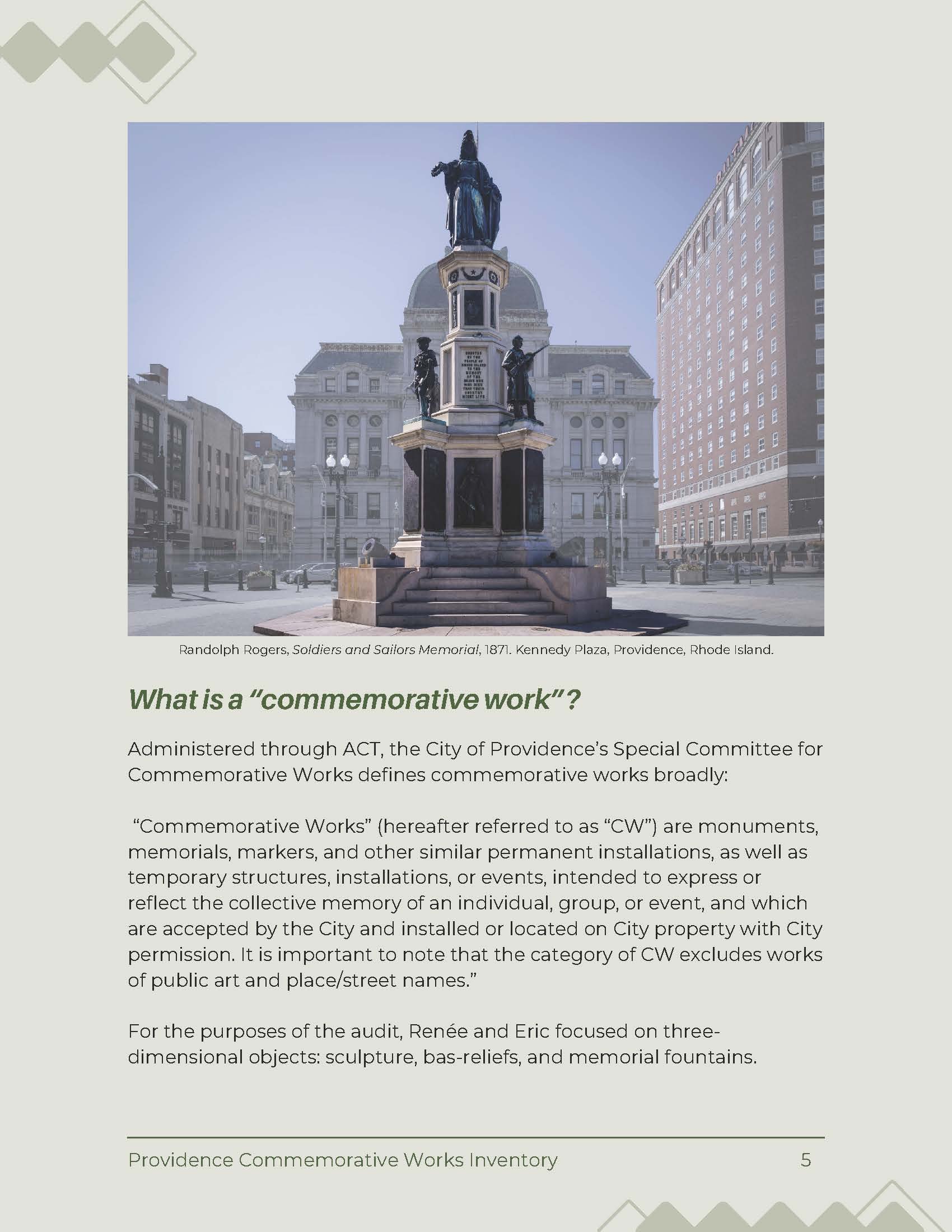
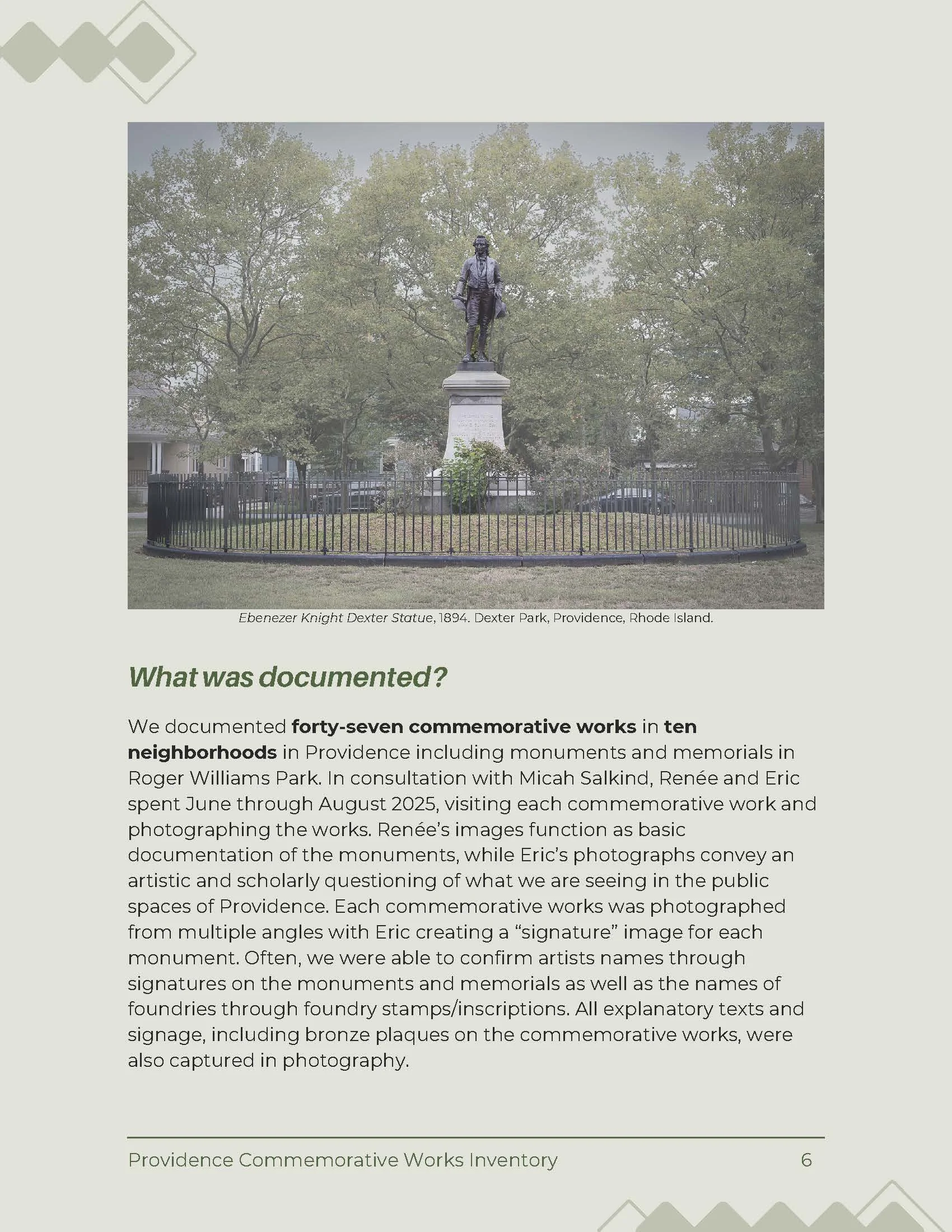
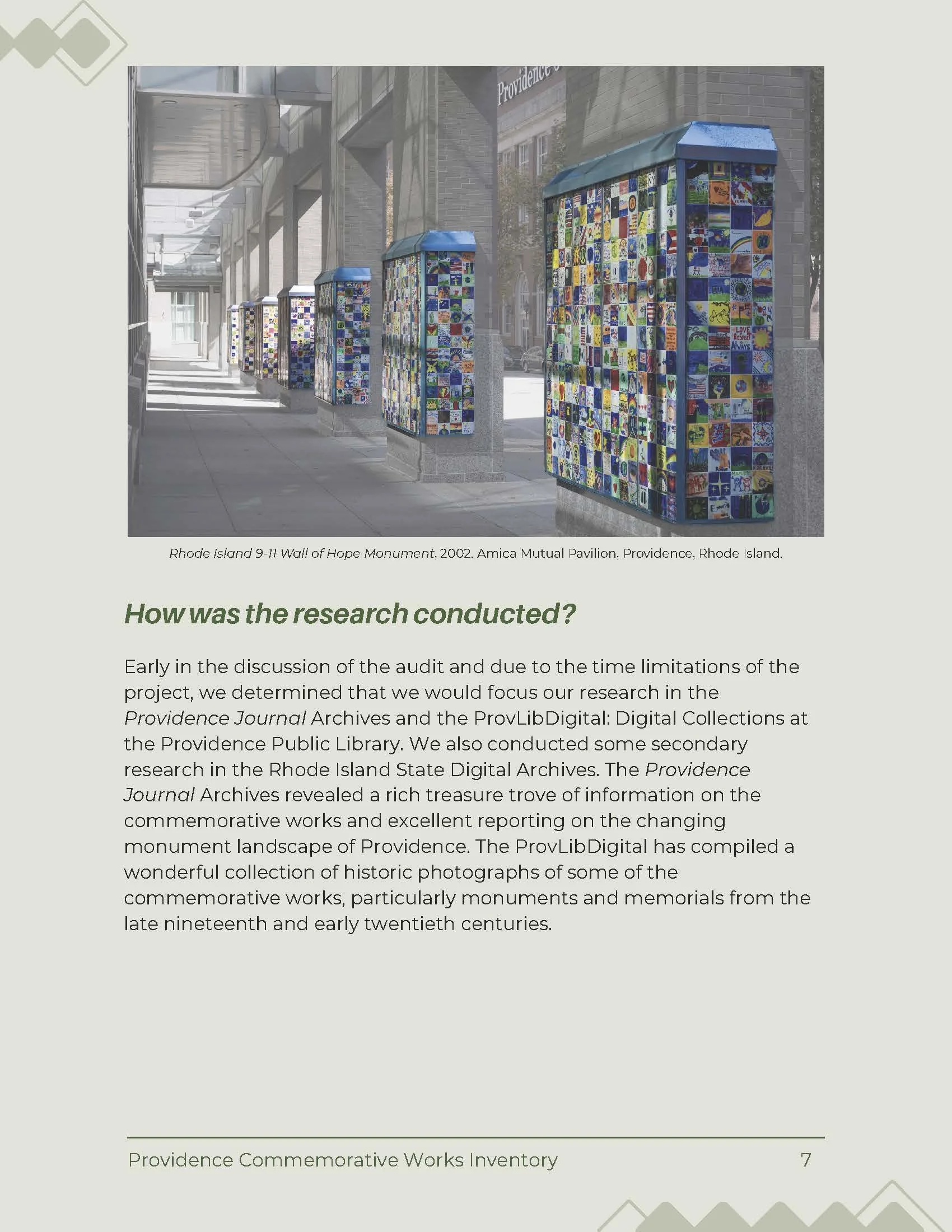
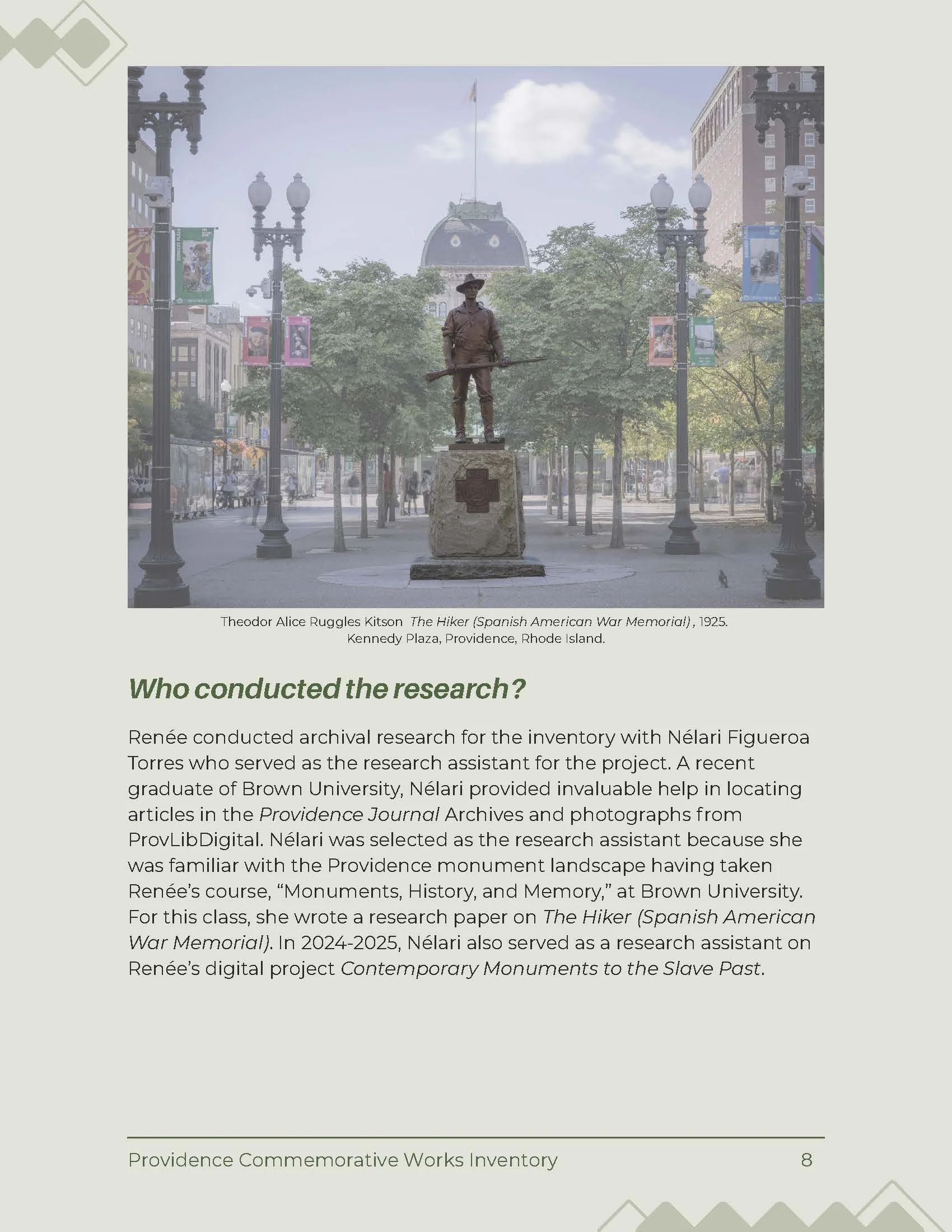
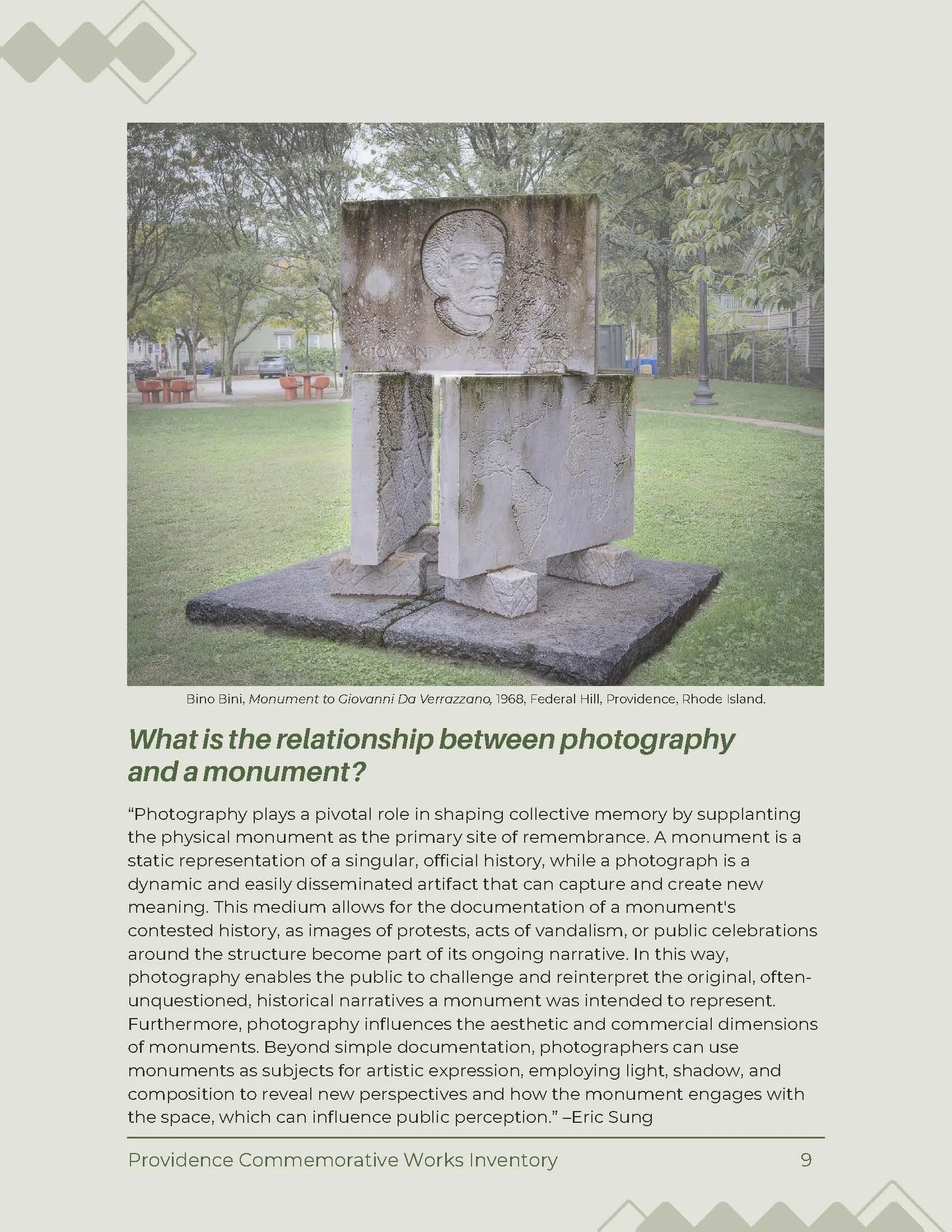
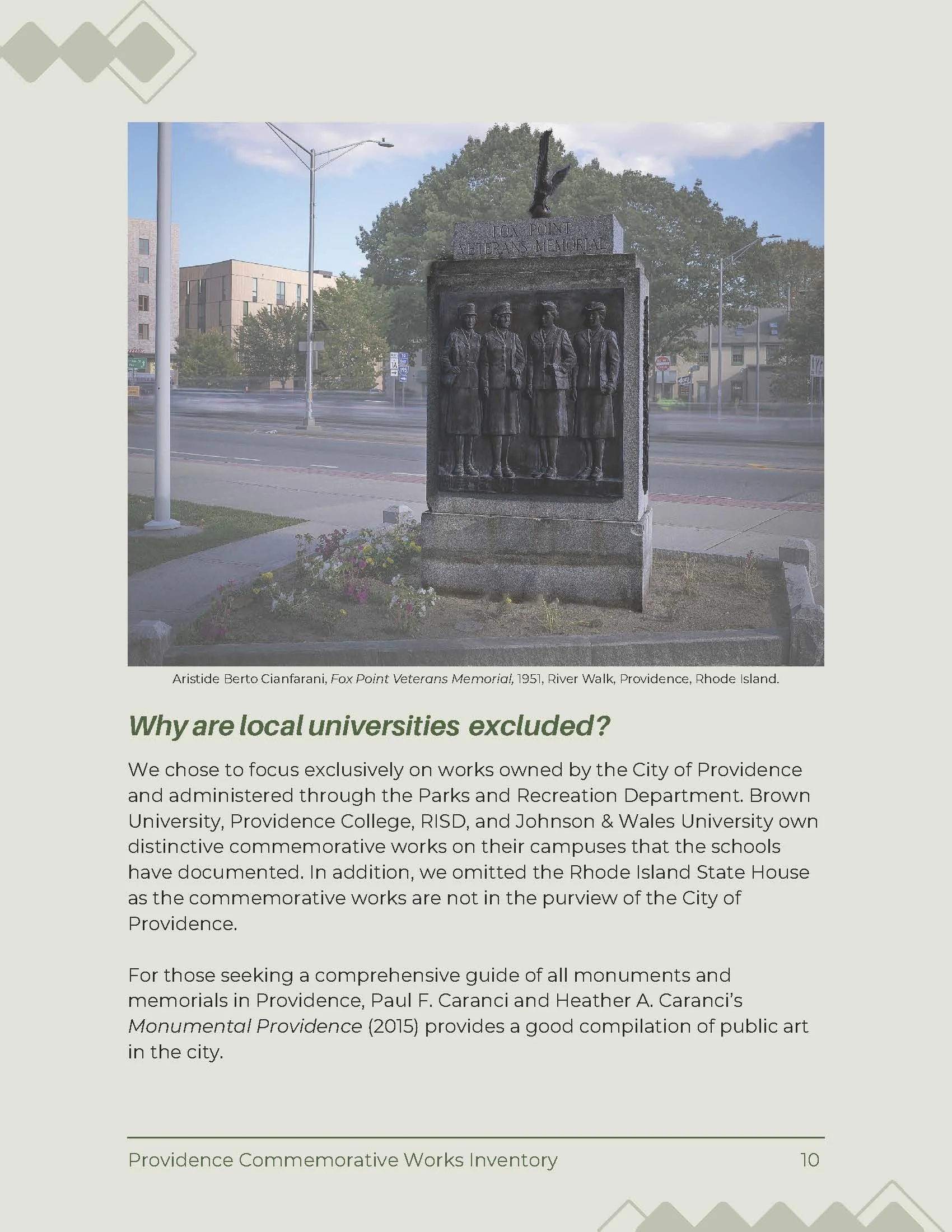
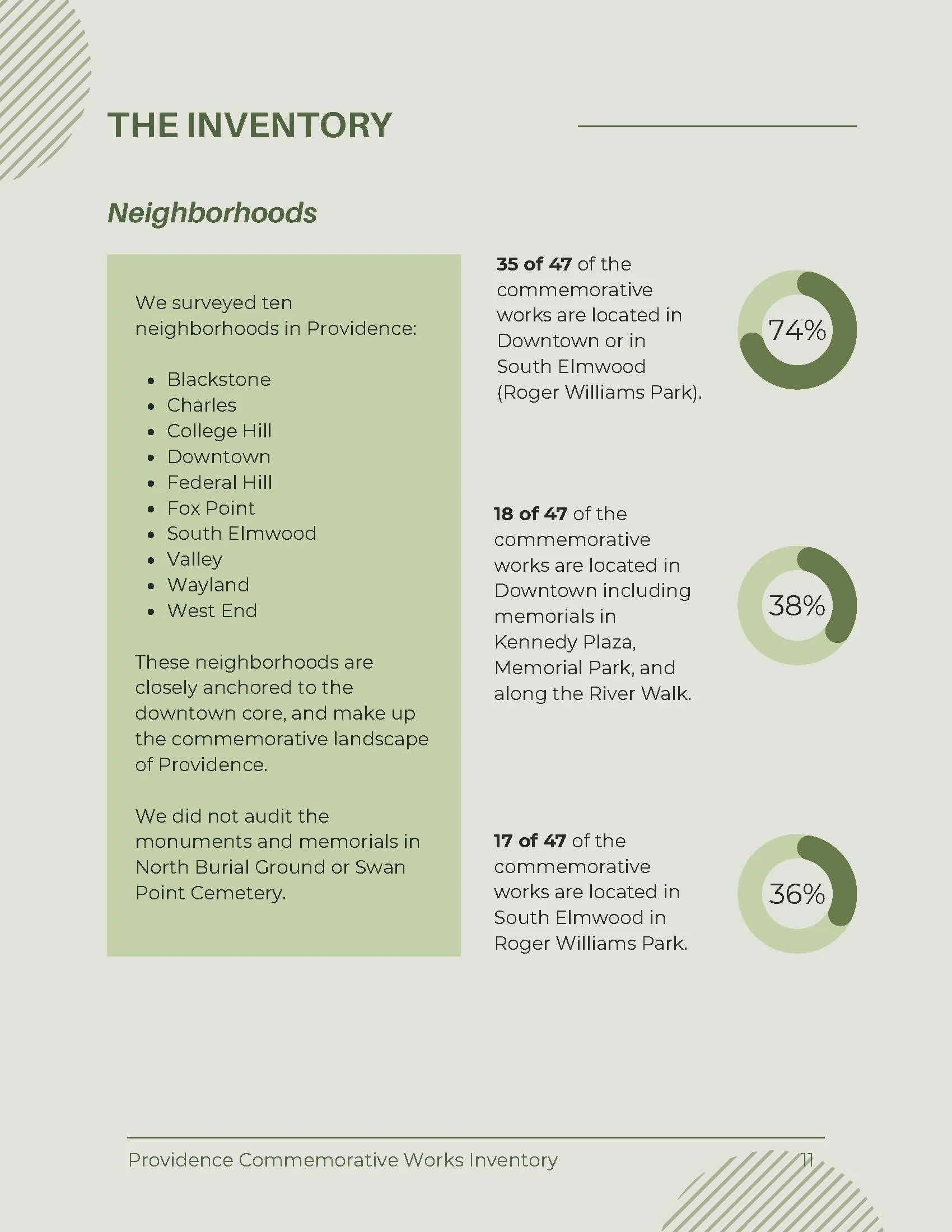
Before we began the inventory, I created a map using Google My Maps to assist us in planning our site visits and to track where commemorative works were located in the city. I also made the map with the understanding that residents might use it to visit the monuments and memorials. The Google map can be found here: https://www.google.com/maps/d/u/0/edit?mid=1sZV1TfDoQ--ysv_TXiCyXvFblj1Bjaw&usp=sharing
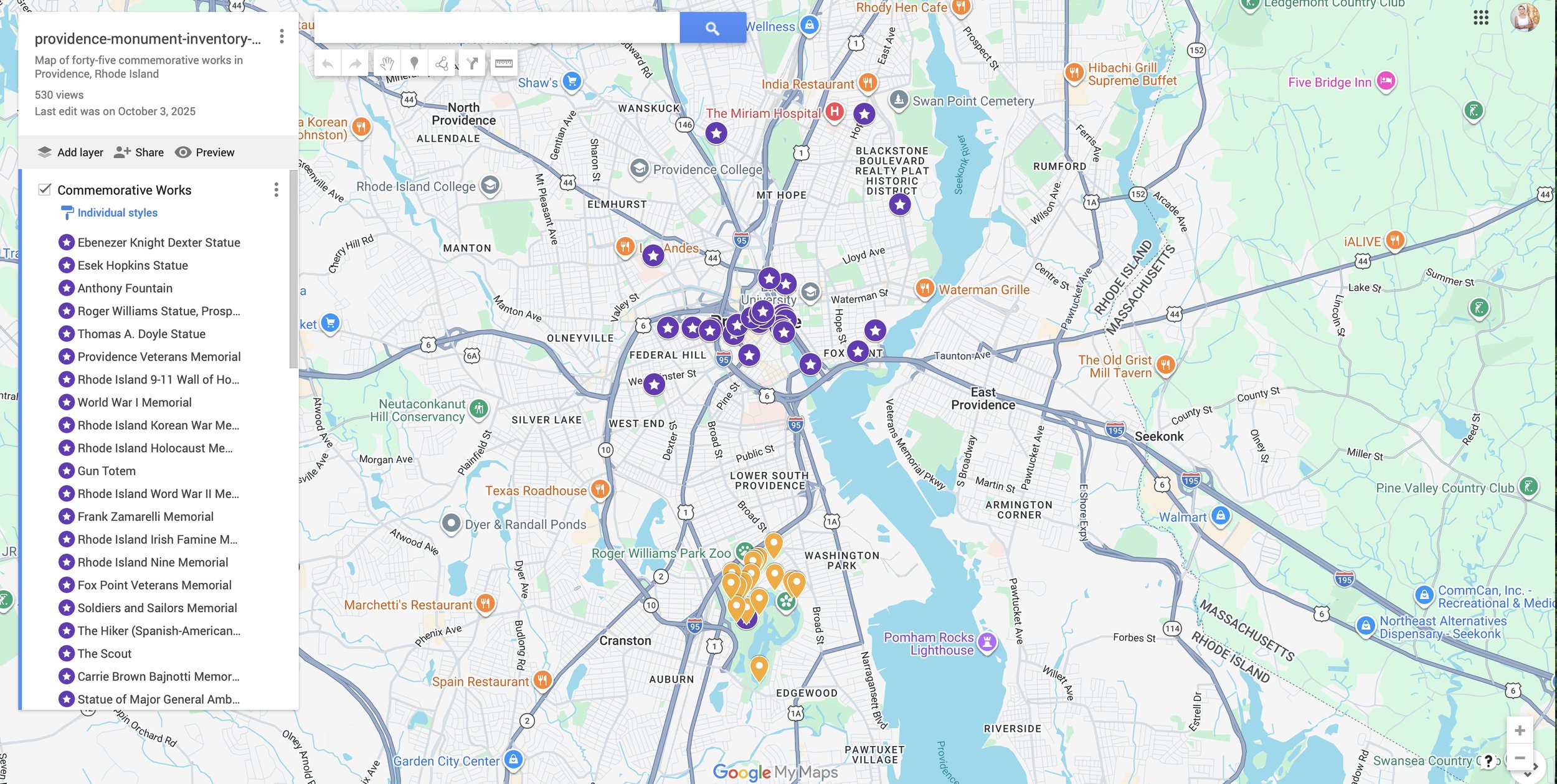
Screen capture of a Google My Map of the Providence monument landscape. Map by Renée Ater, 2025.
The infographic charts some of the major findings from the audit of the monuments and memorials in the city. Our findings parallel the findings of Monument Lab’s National Monument Audit (2021). Men are represented the most in the monument landscape and male artists dominate the making of commemorative works. One of the most interesting findings: the City of Providence and the Parks Department have moved 23% of its commemorative works because of city planning projects and urban development.
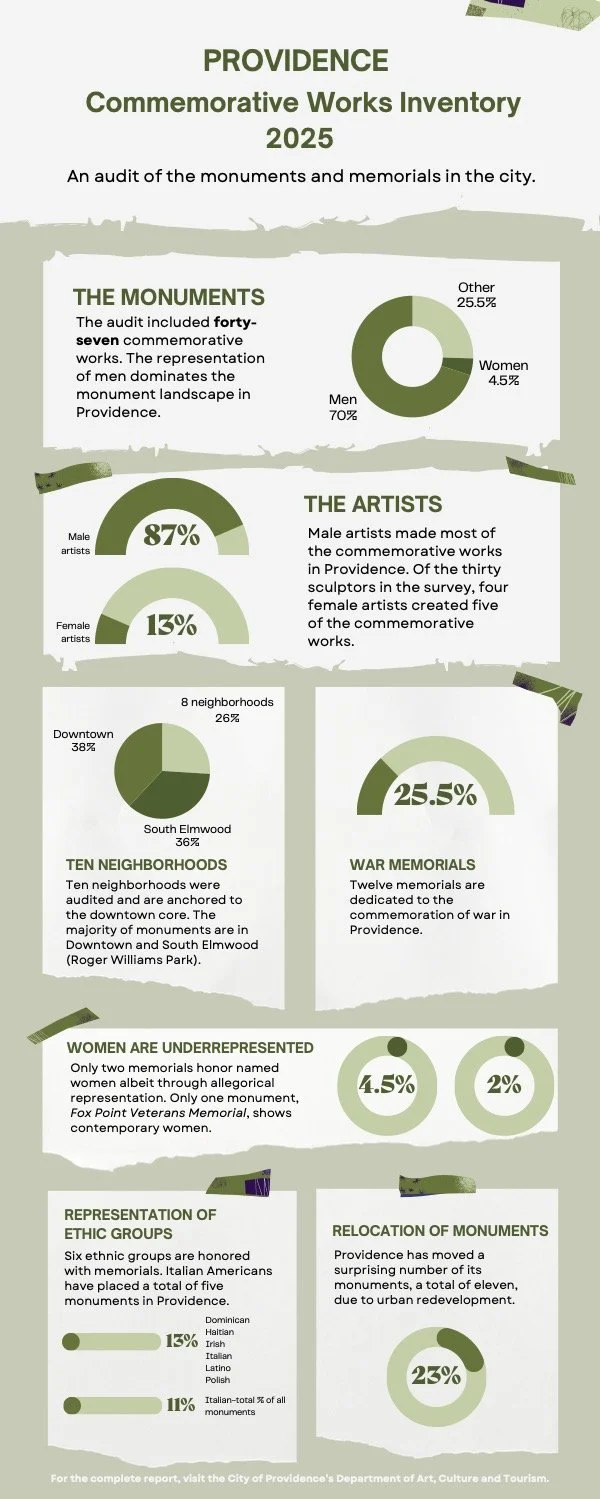
Infographic of the Key Findings of the Providence Commemorative Works Inventory. Infographic by Renée Ater, 2025.
How Did I Come to the Inventory?
My engagement with the city came through the classroom and a serendipitous meeting with Micah Salkind in 2021. From 2020-2025, I was a visiting associate professor in Africana Studies at Brown University. During my first semester, I offered an online course on monuments, history, and memory. For the final project, students were required to create an intervention into the monument landscape. In spring 2021, they presented their designs through an online public forum at Brown University: https://www.reneeater.com/on-monuments-blog/2022/1/12/monument-interventions-projects-from-afri0840-brown-university. Micah attended the session and reached out to me afterwards. We started a conversation about public space, commemorative works, and the possibilities of temporary monuments.
These conversations led to two important collaborations:
The City of Providence did not have a comprehensive list of the commemorative works it owned. Collaborating with ACT and the RIHS, Brown University students, who were enrolled in a third iteration of my monuments course in Fall 2022, created an Omeka digital repository of twelve Providence monuments located in the downtown core. This initial project in Fall 2022 led me to complete the full inventory in summer 2025 with support from the Mellon Foundation. Using the metadata standards I had created for the preliminary Omeka site, I captured metadata for the forty-seven commemorative works in the Providence Commemorative Works Inventory. We also included study photographs, bibliographic citations, digital copies of all Providence Journal articles, historic photographs if available (digital), and geolocation data. ACT has added this data to their own monument database.
Micah introduced me to Eric Sung with the idea that we shared similar pedagogical goals in our teaching, and that we both focused our research, teaching, and scholarship/practice on the monument landscape. He thought we would be good collaborators given our interests and personalities. Turns out, he was right. As project partners of the PCL, Eric and I co-created and taught a course entitled Seeing Monuments for College Unbound, an alternative college for adult learners. For this class (summer 2024), we asked students to use a camera to rethink commemorative works and the spaces in which they are situated. As part of the PCL-sponsored artist workshops in fall 2024 and spring 2025, Eric and I also offered critiques for the artists who were developing temporary commemorative projects. I was fortunate to have several of the PCL artists visit my classroom at Brown and discuss their conceptions with my students in late spring 2025. Their visits shifted student's’ understanding of what public art can look like, and it also amplified for them the unforeseen difficulties that might arise during public art projects. Over the summer of 2025, Eric and I planned and finalized the inventory with a lot of discussion about the historical information we were finding and how to best photograph the commemorative works.
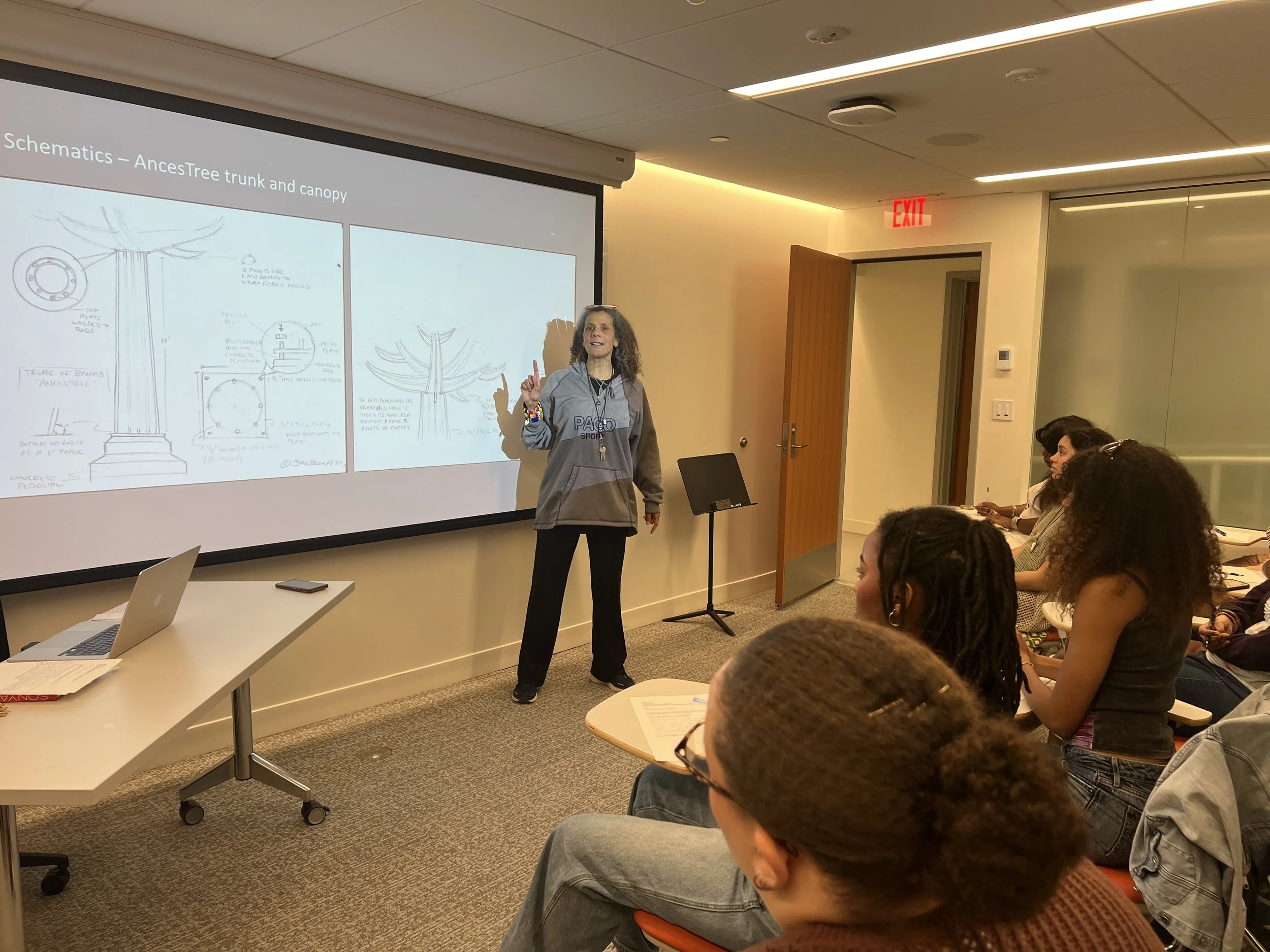
Valerie Tutson presenting her The Storytelling AncesTree design in Renée Ater’s course on monuments, history, and memory at Brown University, April 2025.
Providence Commemoration Lab book
Ruchika Nambiar, a Providence-based book designer and writer, designed the Providence Commemoration Lab book. Ruchika created a beautiful book that begins with an introduction by Micah Salkind and an interview with Ina Fox, Lab Director. A shortened-version of the Providence Commemorative Works Inventory is included at the beginning of the volume. Each of the three sites (Columbus Square, Roger Williams Park, and Public Street), the nine artists projects, and three writers engagements are highlighted. The book also comes with pull-outs including an ecosystem map, three writers chapbooks, and nine artists postcards. The Providence artists for the project included Lu Heintz, Shey Ríveria Rios, Valerie Tutson. Edwige Charlot & k. funmilayo aileru, Dana Heng & Moy Chonug, Eli Nixon, Raffini, Sheida Soleimani, and Linsey Wallace. Overall, a great design for a project filled with multiple voices, styles, and ways of being
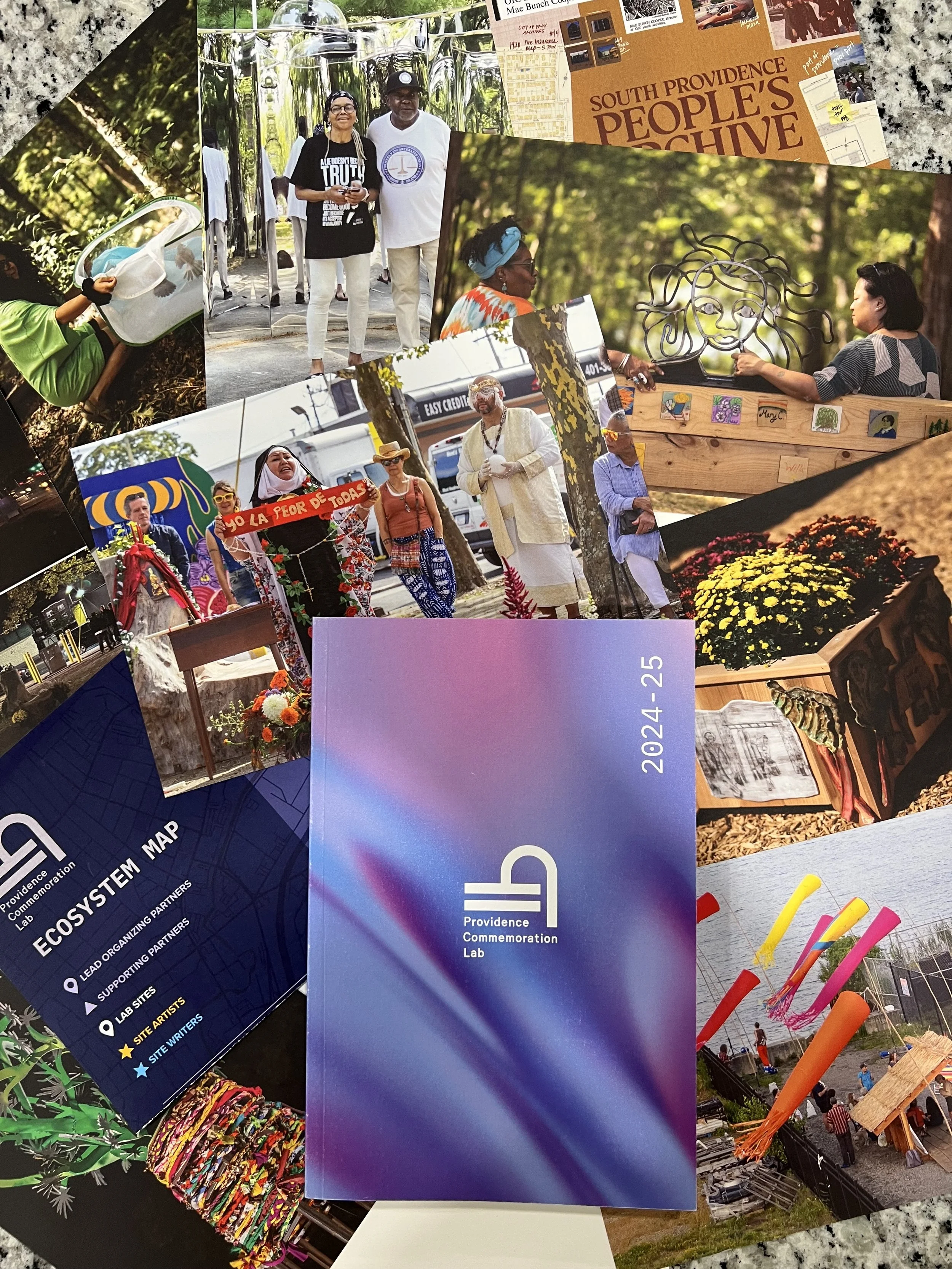
Providence Commemoration Lab Book with Ecosystem Map and Nine Artists Postcards, 2025
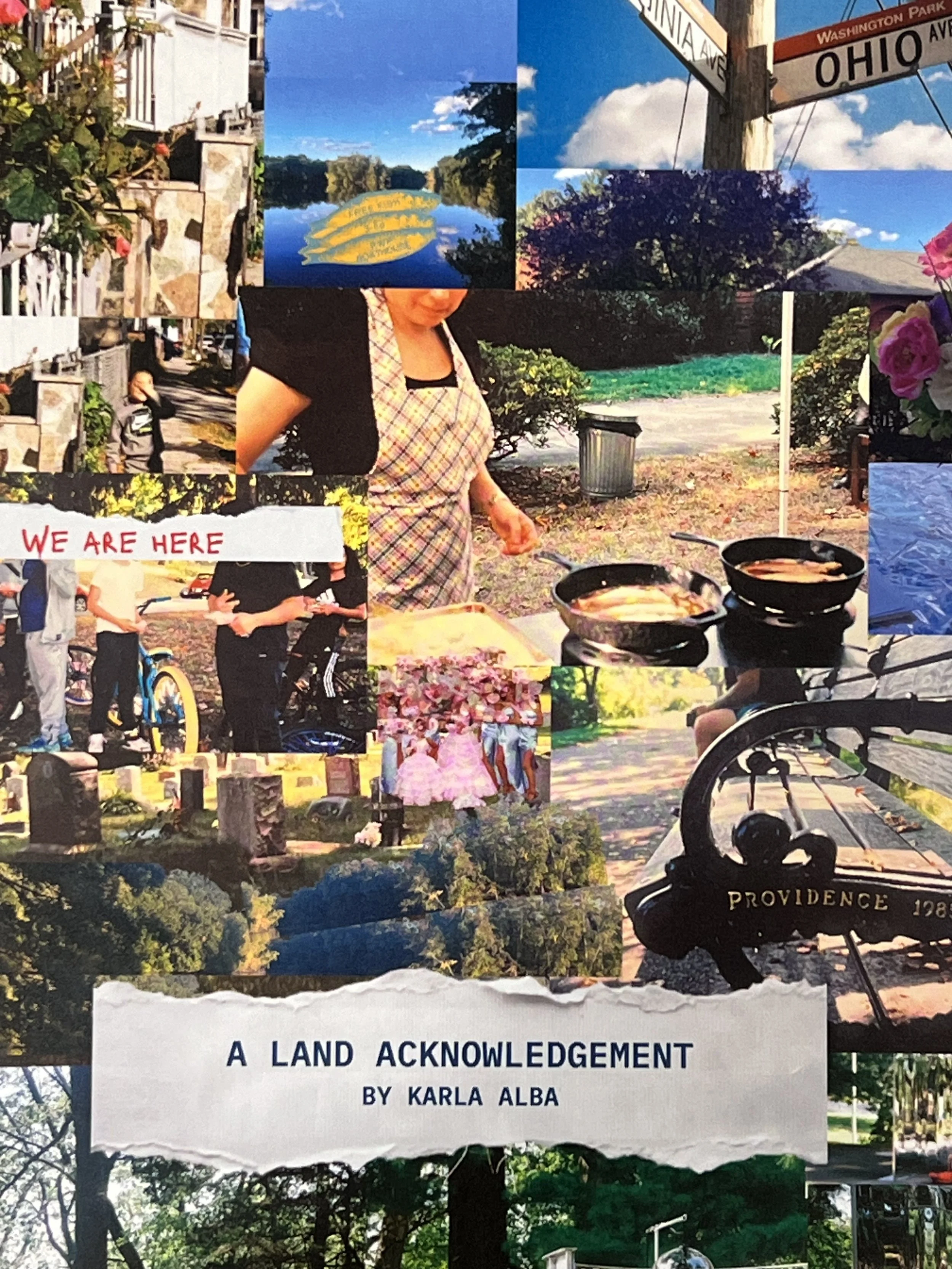
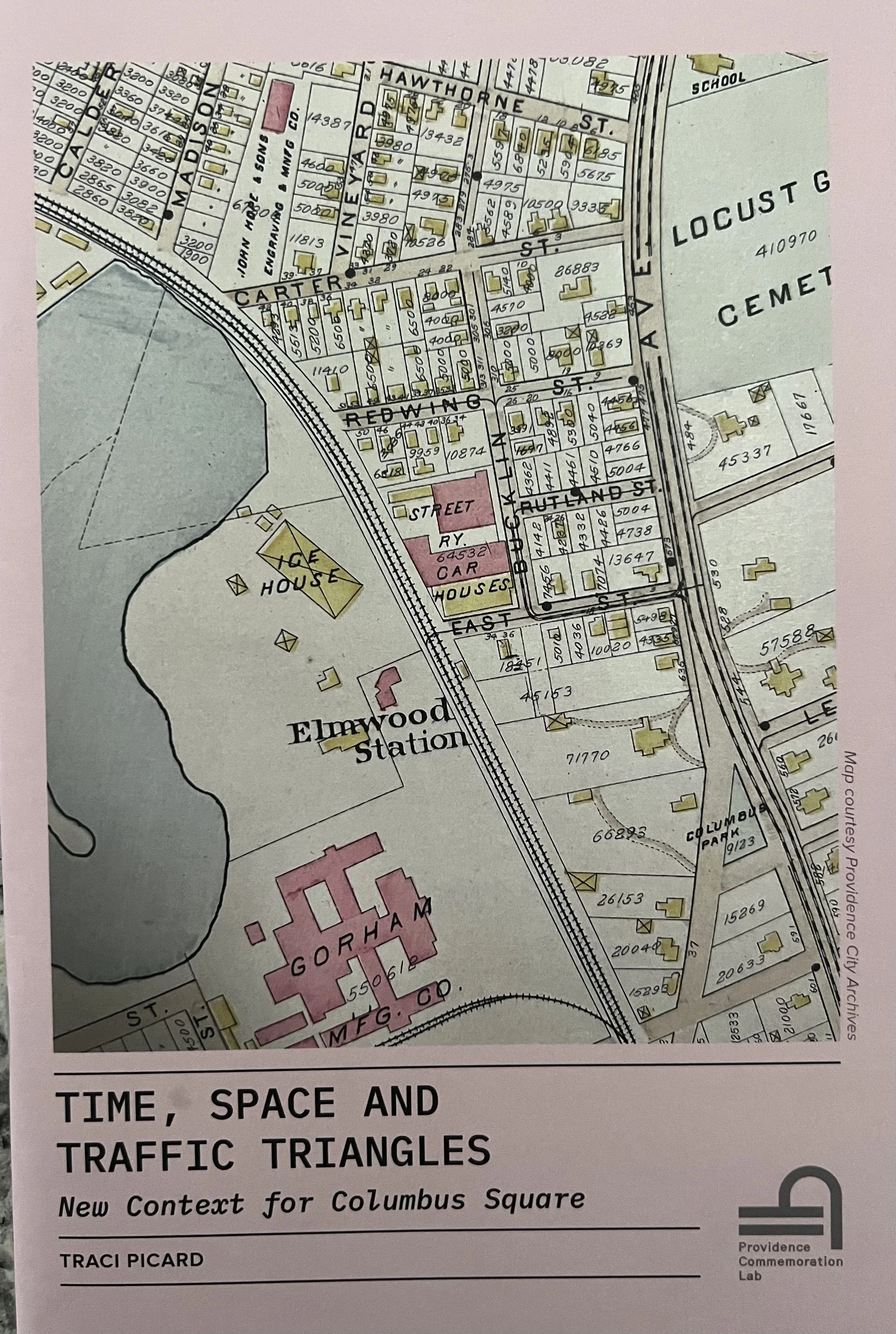
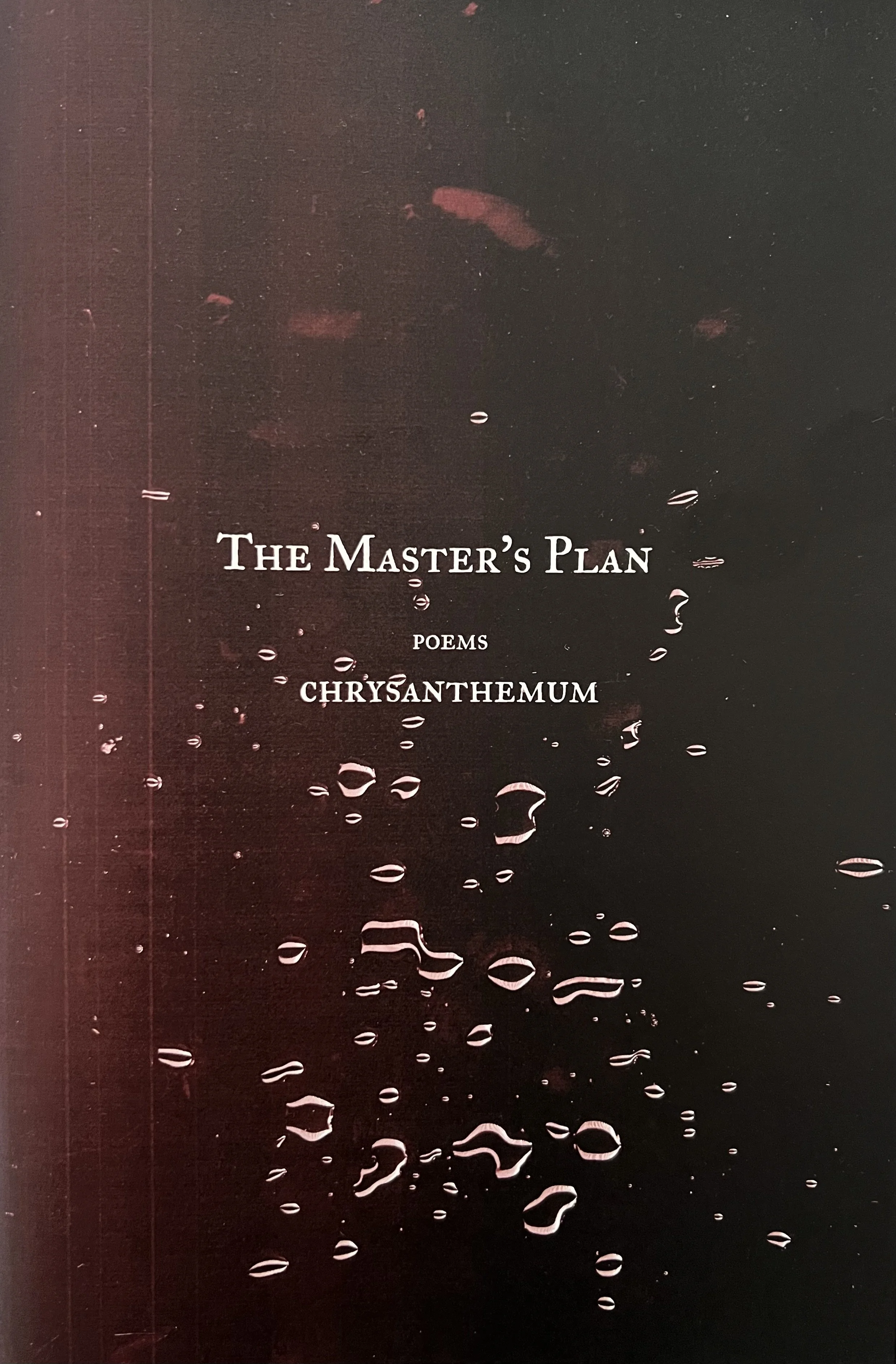
The three chap books include Karla Alba’s A Land Acknowledgment (Roger Williams Park), Traci Picard’s Time, Space and Traffic Triangles (Columbus Square); and Chrysanthemum’s The Master Plan (Public Street). Alba’s chap book presents an edited land acknowledgment; Picard focuses on the complex history of Columbus Square in the Elmwood neighborhood; and Chrysanthemum traces poetically the complex problems at Public Street on the industrial waterfront of Providence.
Ruchikas short film documenting the Providence Commemoration Lab (June 2026)..